Introduction
Authentic interior styling relies on natural textures, salvaged wood, and neutral color palettes to establish a timeless rural aesthetic. According to the American Society of Interior Designers (ASID), implementing biophilic design principles and sustainable materials significantly enhances domestic well-being and visual harmony. The following manual outlines professional methodologies for planning, sourcing, and executing handmade interior projects suitable for heritage homes, farmhouses, and rustic cabins. Homeowners and interior crafters can transform living spaces affordably by integrating traditional woodworking, botanical printing, and repurposed textiles into their daily domestic routines. For additional inspiration regarding handmade home accents, consult the dedicated archive on DIY & Cottage Decor for step-by-step room transformations.
Cottage Project & Prep Snapshot:
- Core Focus: Executing handmade rural aesthetic improvements using budget-friendly materials and natural textures.
- Materials & Scope: Salvaged timber, unbleached linen, matte milk paint, and vintage hardware.
- Key Recommendation: Prioritize structural integrity and authentic patinas over synthetic distressing methods.
Core Principles and Detailed Overview
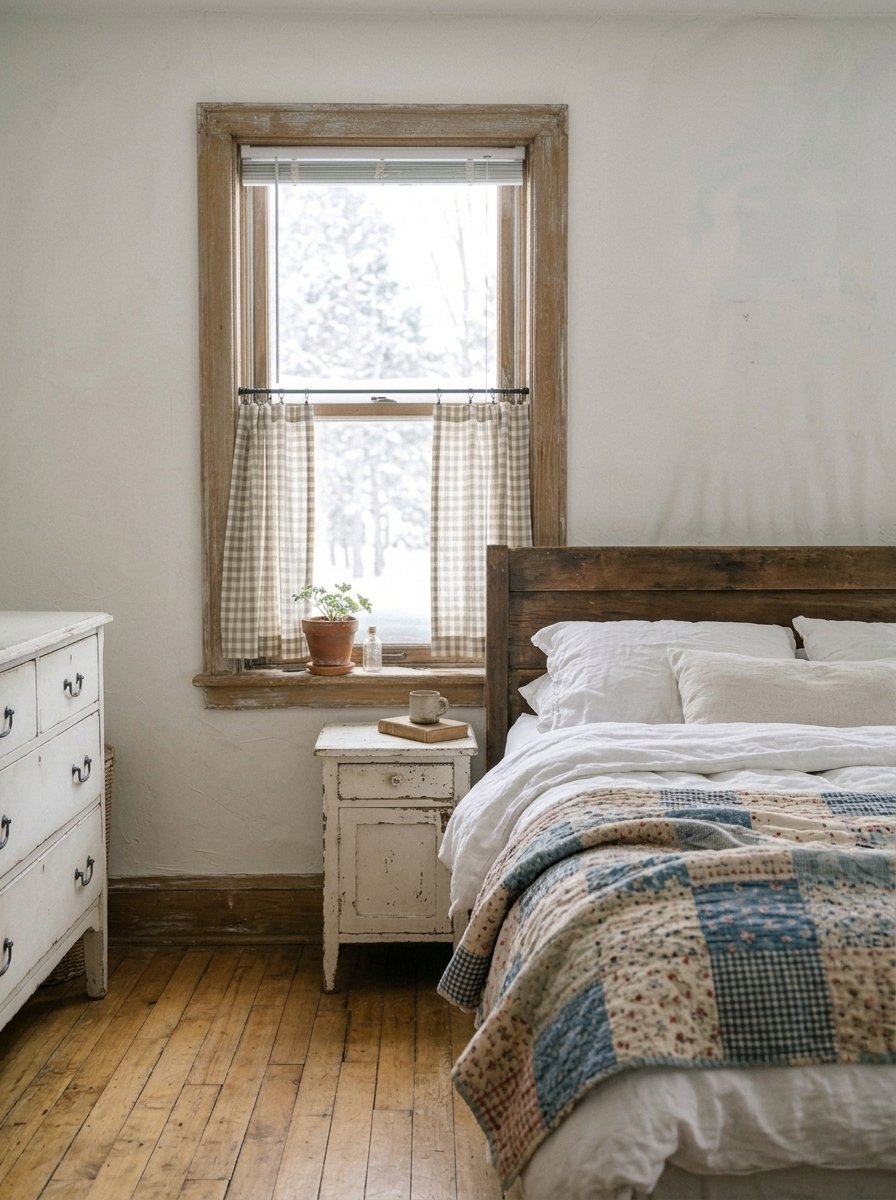
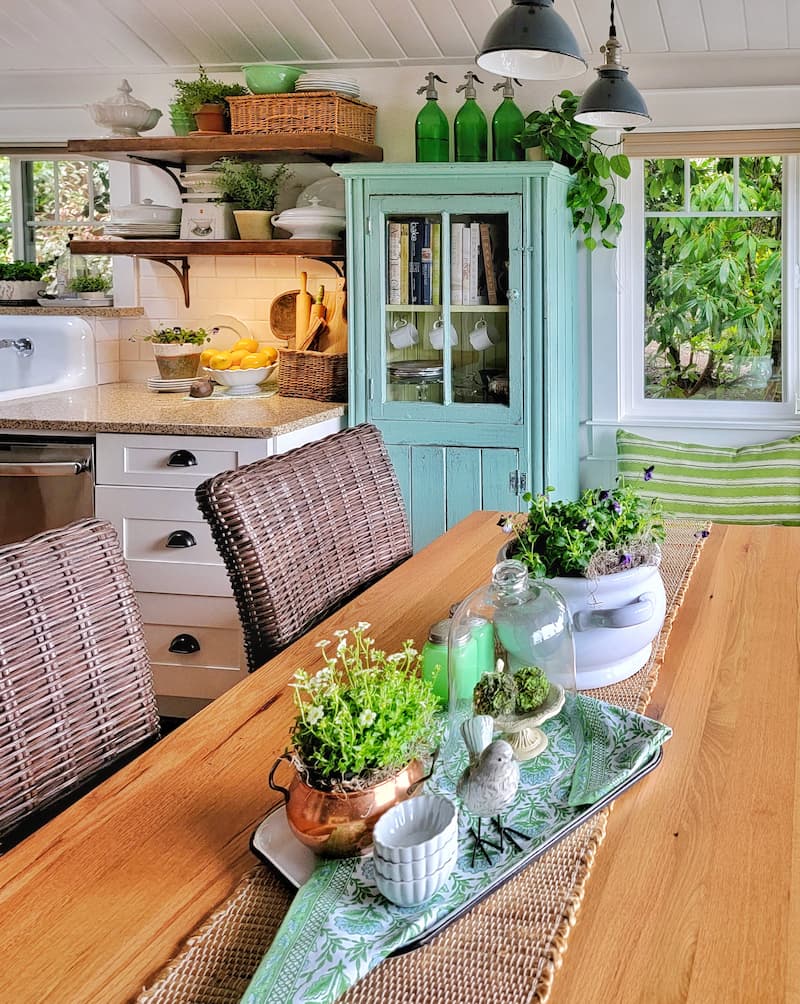
Successful rustic interior design centers on honoring original architectural elements while introducing functional, handcrafted accents that reflect regional heritage. Natural lighting, unpainted hardwood surfaces, and breathable cotton or wool fabrics form the structural foundation of traditional country aesthetics. Achieving visual balance requires layering organic textures—such as jute, stoneware, and forged iron—against neutral lime-washed walls to prevent visual fatigue. Crafters must measure room proportions carefully before installing floating shelves, wainscoting, or custom window treatments to maintain proper spatial scale and functional clearance.
Key Specifications and Breakdown
| Component / Step | Recommended Specification | Quality & Practical Tip |
|---|---|---|
| Wall Finishes | Low-VOC lime wash or matte milk paint | Apply in multidirectional brushstrokes to create authentic historical depth. |
| Textiles | 100% heavyweight linen or raw cotton | Pre-shrink natural fibers by washing in hot water before sewing projects. |
| Wood Treatment | Food-grade beeswax or natural hemp oil | Buff thoroughly with a lint-free cloth to seal grain without synthetic sheen. |
Biophilic design and the integration of tactile, raw materials promote psychological restoration and indoor environmental quality — American Society of Interior Designers (ASID)
Step-by-Step Practical Application and Guidelines
Executing handmade interior updates requires systematic preparation, starting with surface cleaning, structural assessment, and material staging in a well-ventilated workspace. When building custom wooden shelving or framing vintage botanical illustrations, secure all wall mounts directly into wooden studs using heavy-duty lag screws to ensure long-term stability. Sand rough timber edges progressively from 80-grit to 220-grit sandpaper before applying protective sealants to achieve a smooth, splinter-free finish. For paper-based botanical displays or seasonal parchment banners, utilize heavy 250 GSM cardstock paired with precision rotary cutters for clean, professional edges.
Common Challenges and How to Avoid Them
Over-accessorizing and relying excessively on manufactured distressing techniques represent the most frequent pitfalls encountered during rural decor projects. Avoiding artificial wear requires using genuine reclaimed materials or allowing finishes to age naturally through regular domestic handling. Furthermore, failing to account for wood expansion and contraction across seasonal humidity shifts can lead to warped panels or cracked joinery. Crafters should always acclimate timber indoors for at least seventy-two hours prior to cutting, and incorporate expansion gaps into permanent wall-mounted installations.
💬 Frequently Asked Questions
Explore More Guides on The Cottage Chronicles
Expanding domestic creativity involves exploring diverse traditional crafts, from paper-based seasonal banners found within Printables & Paper Crafts to heritage sourdough preparations detailed in Recipes & Baking. Every curated resource published across The Cottage Chronicles aims to equip modern homesteaders and decor enthusiasts with reliable, time-tested instructions for intentional, beautiful country living.
Visual Reference Gallery