Introduction
Loving simple decor involves stripping away excessive ornamentation to highlight functional, natural, and timeless interior elements that foster genuine domestic comfort. According to the American Society of Interior Designers (ASID), intentional spatial design prioritizing natural light, honest materials, and uncluttered surfaces directly supports psychological well-being and reduces household stress. For rural homesteaders, suburban parents, and traditional educators, embracing uncluttered living spaces transforms everyday rooms into serene sanctuaries. This design philosophy pairs exceptionally well with ideas featured in DIY & Cottage Decor, where handmade craftsmanship meets effortless style. Furthermore, scaling back excess makes room for tactile creative projects found in Printables & Paper Crafts and comforting culinary traditions highlighted in Recipes & Baking.
Cottage Project & Prep Snapshot:
- Core Focus: Curating minimalist, natural interior spaces using budget-friendly, authentic materials.
- Materials & Scope: Reclaimed timber, unbleached linen, neutral lime washes, and vintage stoneware.
- Key Recommendation: Edit existing collections ruthlessly before introducing any new decorative pieces into the home.
Core Principles and Detailed Overview
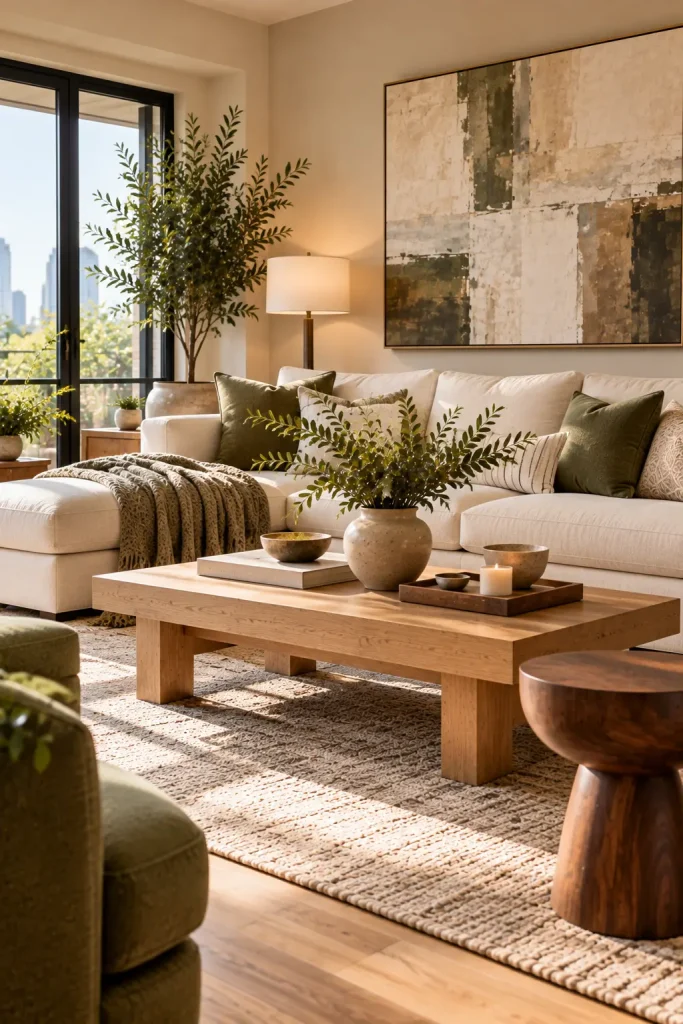
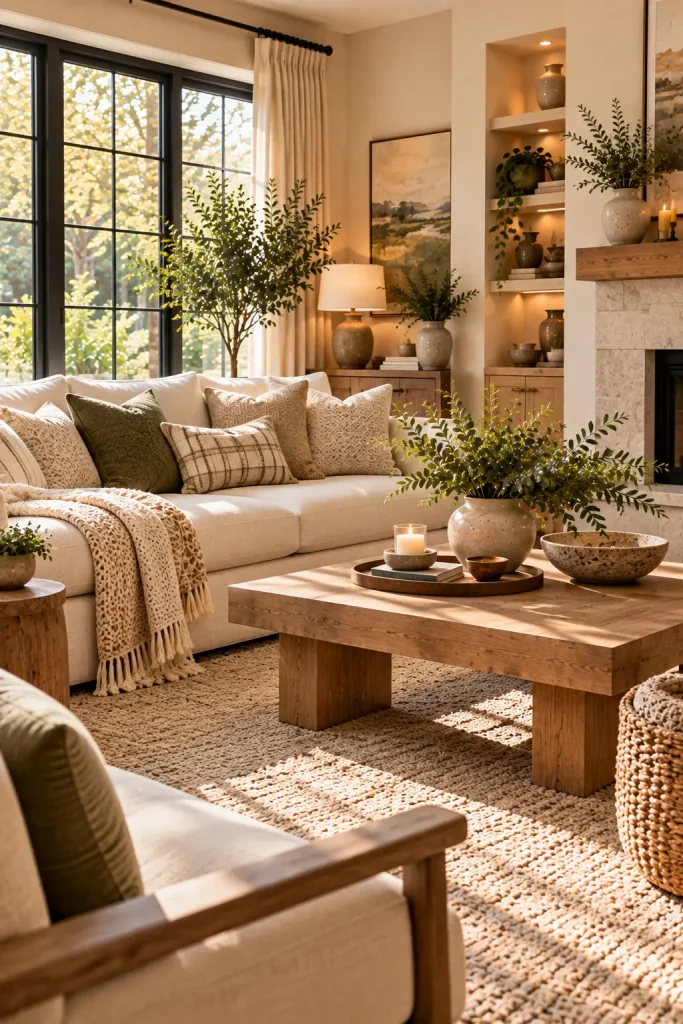
Uncluttered cottage aesthetics derive their charm from strict adherence to form, function, and raw material authenticity. Loving simple decor means selecting foundational items that serve a distinct practical purpose while contributing to an organic visual harmony. Rooms benefit from a restrained color palette drawn directly from the surrounding landscape, such as chalky whites, muted sage greens, and warm oatmeals. Natural textiles like heavy cotton duck, raw flax linen, and coarse wool introduce tactile depth without requiring loud patterns or artificial synthetic dyes. Furniture arrangements should prioritize natural pathways and maximize daylight penetration, allowing architectural features like exposed floorboards and timber beams to take center stage. When every single object in a room holds an earned place, the entire living environment achieves a tranquil equilibrium.
Key Specifications and Breakdown
| Component / Step | Recommended Specification | Quality & Practical Tip |
|---|---|---|
| Color Palette | Neutral earth tones (LRV 60-80) | Reflects maximum ambient daylight across rustic walls. |
| Textiles & Fabrics | 100% linen or heavy cotton | Wash prior to styling to achieve an effortless, relaxed drape. |
| Display Surfaces | Maximum 3 focal objects per shelf | Maintain breathing room to prevent visual clutter and dust buildup. |
Intentional simplicity optimizes residential spatial flow and enhances daily habit sustainability — American Society of Interior Designers (ASID). For more related activities, check out our Diy Home Decor.
Step-by-Step Practical Application and Guidelines
Executing a simplified aesthetic requires a methodical room-by-room editing process focused on subtraction rather than accumulation. Begin by completely clearing all horizontal surfaces, including sideboards, mantels, and tabletops, down to bare timber or stone. Clean every exposed surface thoroughly, inspecting for necessary minor repairs or natural wax applications. Next, evaluate accumulated items individually, returning only those pieces that possess dual utility or deep sentimental value back into the living space. Group remaining decorative objects in asymmetrical odd-numbered clusters to maintain visual interest without overwhelming the field of vision. Introduce organic elements such as dried seed heads, seasonal foliage in simple glass jars, or woven baskets for concealed storage to ground the room in natural seasonality.
Common Challenges and How to Avoid Them
A primary hazard when adopting minimal styling is allowing rooms to feel sterile, cold, or unfinished rather than warm and welcoming. Prevent coldness by intentionally layering various organic textures, pairing smooth ceramics with rough-hewn wood and heavy woven throws. Another common misstep involves overcrowding small vignettes because empty spaces feel uncomfortable to decorate; resist this urge by letting negative space do the heavy lifting. Avoid purchasing cheap synthetic decor items marketed as rustic, opting instead for durable, authentic vintage finds or handmade pieces that develop a rich patina over time. Regular seasonal editing keeps collections curated and prevents the gradual creep of unnecessary ornamental clutter.
💬 Frequently Asked Questions
Explore More Guides on The Cottage Chronicles
Embracing intentional living extends far beyond interior styling, touching every aspect of traditional homesteading, paper crafting, and scratch cooking. Discover further inspiration, step-by-step tutorials, and wholesome seasonal ideas across the complete resource library available at The Cottage Chronicles to support a beautifully balanced, hands-on lifestyle.
Visual Reference Gallery