Introduction
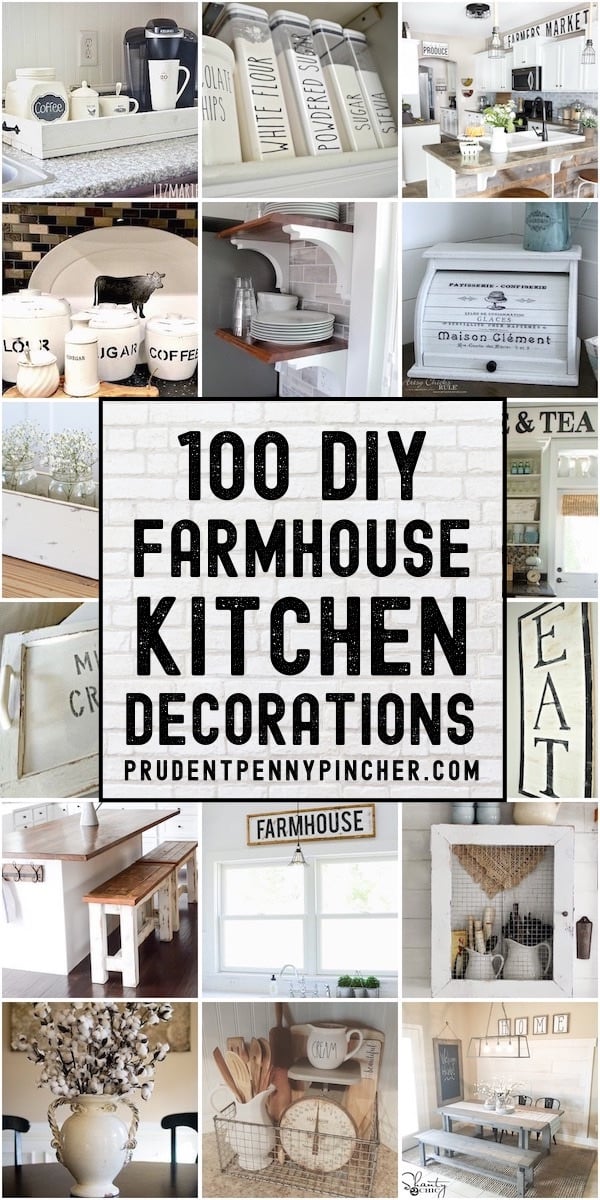
Diy farmhouse kitchen decor ideas encompass practical, budget-friendly interior enhancements utilizing natural textures, salvaged wood, and hand-finished accents to establish authentic rustic charm. According to the American Society of Interior Designers (ASID), incorporating tactile, sustainable materials within residential cooking spaces measurably elevates occupant well-being and visual warmth. This design methodology merges utilitarian function with timeless aesthetic heritage, making personalized home styling accessible through thoughtful craftsmanship. Establishing a cohesive country aesthetic requires careful selection of neutral palettes, matte hardware finishes, and purposeful storage displays that honor traditional architecture without sacrificing modern convenience. For additional inspiration on handmade structural accents and room transformations, explore resources dedicated to DIY & Cottage Decor.
Cottage Project & Prep Snapshot:
- Core Focus: Handcrafted rustic enhancements and natural texture integration for traditional cooking spaces.
- Materials & Scope: Reclaimed timber, mason jars, chalk-finish paints, wrought iron hardware, and linen textiles.
- Key Recommendation: Prioritize functional utility by styling everyday culinary tools as primary decorative focal points.
Core Principles and Detailed Overview
Authentic country styling relies on a deliberate balance of distressed finishes, organic textiles, and uncluttered work surfaces that reflect historical utility. Successful aesthetic execution avoids overly polished surfaces in favor of patinated metals, hand-planed pine boards, and ceramic vessels bearing visible artisanal marks. Spatial proportions dictate placement, ensuring large statement items like open bracket shelving or oversized pantry signs do not overwhelm compact culinary zones. Sustainable crafting practices, such as repurposing weathered fencing boards into floating shelves or sewing flour-sack tea towels from raw linen yardage, reinforce the integrity of the home environment. Integrating paper-crafted botanical charts or vintage canning labels from specialized Printables & Paper Crafts provides an economical layer of historic detail to pantry doors and spice jars.
Key Specifications and Breakdown
| Component / Step | Recommended Specification | Quality & Practical Tip |
|---|---|---|
| Open Shelving Brackets | Cast iron or heavy-gauge steel, 8-inch depth | Secure directly into wall studs to support heavy stoneware safely. |
| Distressed Wood Finish | Low-VOC chalk paint sealed with clear beeswax | Sand edges lightly after curing to expose natural wood grain underneath. |
| Window Treatments | Unbleached linen or cotton ticking stripe | Hang rods four inches above the trim to visually elongate ceiling height. |
Interior finishes in high-moisture zones must utilize breathable sealants to prevent moisture trapping and warping in solid wood installations — Architectural Digest
Step-by-Step Practical Application and Guidelines
Executing handmade room updates begins with a comprehensive inventory of existing functional elements that can be repurposed or visually upgraded. First, strip outdated glossy cabinetry hardware and apply a durable matte black or oil-rubbed bronze spray finish to instantly anchor upper cabinets in traditional style. Second, construct open storage ledges by selecting kiln-dried dimensional lumber, sanding surfaces to a smooth touch, and applying food-safe mineral oil or matte polyurethane to protect against daily culinary splatters. Third, curate display groupings on these newly installed ledges by combining vintage amber glassware, heavy ironstone pitchers, and wooden cutting boards arranged by height and visual weight. Finally, anchor the kitchen island or dining nook with a handmade runner sewn from durable heavyweight canvas, completing the transformation with seasonal dried floral arrangements sourced from local meadows.
Common Challenges and How to Avoid Them
Overcrowding open shelves and utilizing non-moisture-resistant materials represent the most frequent pitfalls encountered during home crafting projects. Preventing visual clutter requires adhering to the rule of thirds when grouping decorative items, leaving negative space around functional items like everyday plates and mixing bowls. To combat humidity damage near sinks and ranges, avoid untreated softwoods and ensure all exposed end-grain on custom timber projects receives multiple coats of protective waterproof sealant. Sourcing genuine vintage hardware or timber can be expensive, but utilizing specialized distressing techniques on new, affordable lumber provides an authentic aged appearance without exceeding budget constraints.
💬 Frequently Asked Questions
Explore More Guides on The Cottage Chronicles
Designing a welcoming, functional homestead requires continuous inspiration across all aspects of traditional home-keeping, from handmade interior accents to wholesome culinary arts. Expand your artisanal repertoire by exploring seasonal home preservation tips and heritage meal inspiration available within the comprehensive archive at The Cottage Chronicles, or browse through traditional oven-tested formulas at Recipes & Baking.
Visual Reference Gallery