
Introduction
The diy cottage embodies a hands-on approach to crafting rustic, timeless living spaces through accessible carpentry, natural textiles, and budget-friendly architectural styling. According to the American Society of Interior Designers (ASID), purposeful interior spatial planning and tactile natural materials significantly enhance residential well-being and structural longevity. Embracing this methodology allows homeowners to transform standard rooms into authentic pastoral retreats without requiring excessive financial investment. Integrating foundational techniques found within DIY & Cottage Decor empowers builders to execute projects that balance aesthetic charm with robust functional integrity.
Cottage Project & Prep Snapshot:
- Core Focus: Direct structural and decorative enhancement of living spaces using traditional techniques.
- Materials & Scope: Reclaimed timber, non-toxic chalk paints, natural linen, and basic hand tools.
- Key Recommendation: Prioritize structural soundness and material authenticity over surface speed.
Core Principles and Detailed Overview
The diy cottage relies on utilizing authentic, durable materials such as solid hardwoods, lime washes, and vintage hardware to achieve an enduring aesthetic. Establishing visual harmony requires balancing room proportions with low-profile furnishings and exposed architectural elements like beams or beadboard paneling. Careful preparation of raw surfaces ensures long-term paint adhesion and wood preservation. Furthermore, practitioners often integrate resources from Printables & Paper Crafts to label storage containers, design custom wall art, and organize seasonal domestic schedules with vintage flair.
Key Specifications and Breakdown
| Component / Step | Recommended Specification | Quality & Practical Tip |
|---|---|---|
| Timber Selection | Kiln-dried pine or reclaimed oak | Ensure moisture content is below 12 percent to prevent warping. |
| Wall Finishes | Low-VOC matte latex or traditional lime wash | Apply multiple thin coats for a chalky, breathable historical patina. |
| Hardware Accents | Solid unlacquered brass or cast iron | Pre-drill pilot holes to avoid splitting aged or softwood surfaces. |
Authentic material selection and structural preservation remain fundamental standards for sustainable residential remodeling and traditional architectural maintenance. — American Society of Interior Designers (ASID)
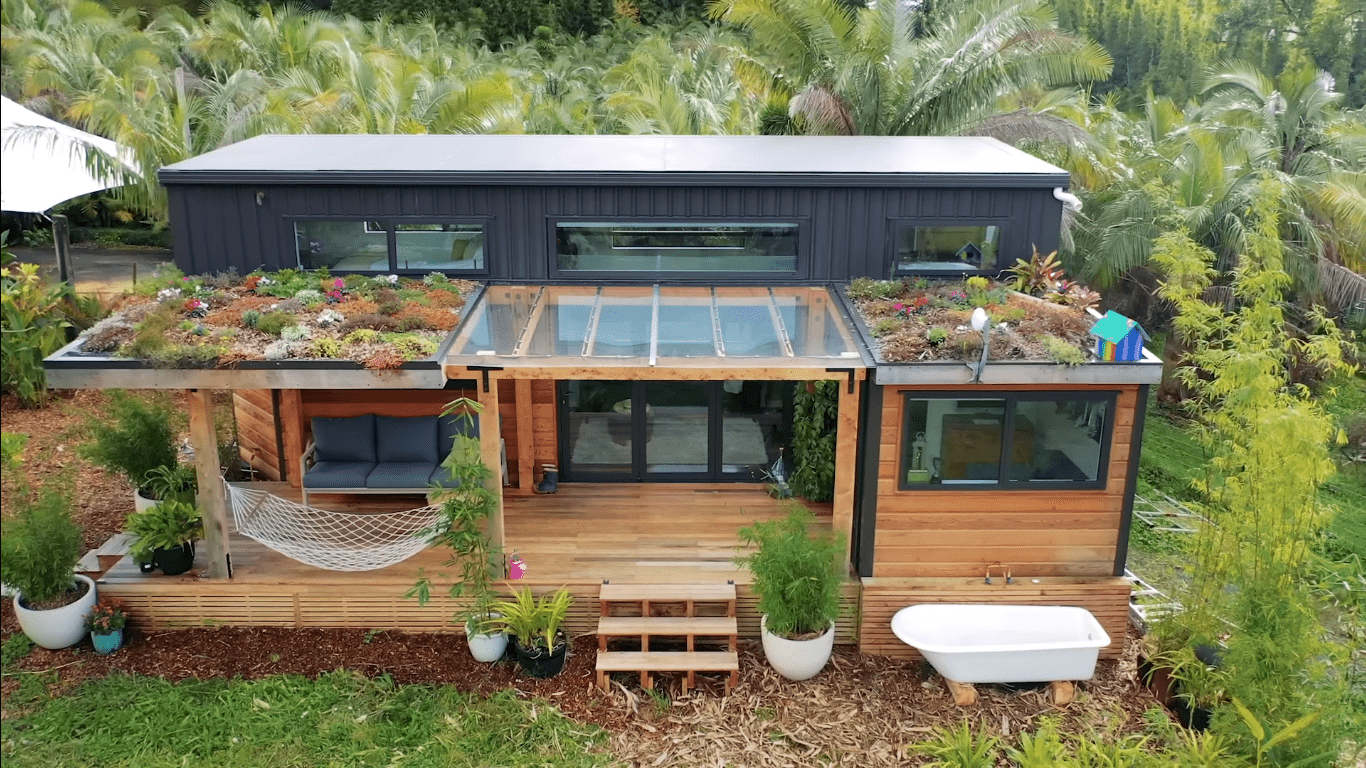
Visual Reference Gallery





Step-by-Step Practical Application and Guidelines
Executing projects within the diy cottage framework demands systematic planning, accurate measurement, and strict adherence to workshop safety standards. Begin by inspecting the target area for structural defects, dampness, or uneven framing before undertaking any cosmetic modifications. Secure proper personal protective equipment, including eye protection and dust masks, prior to cutting timber or stripping legacy finishes. Assemble furniture or wall treatments using reliable joinery techniques, such as pocket holes or half-lap joints, to guarantee lasting durability under daily domestic use.
Common Challenges and How to Avoid Them
Common pitfalls in cottage crafting include rushing wood preparation, misjudging spatial proportions, and using incompatible modern sealants on porous historic surfaces. Prevent timber warping by allowing raw materials to acclimate to the indoor humidity of the room for at least forty-eight hours prior to assembly. Avoid overly glossy synthetic finishes by opting for matte or satin clear coats that preserve the organic texture of the underlying wood. When working


