Introduction
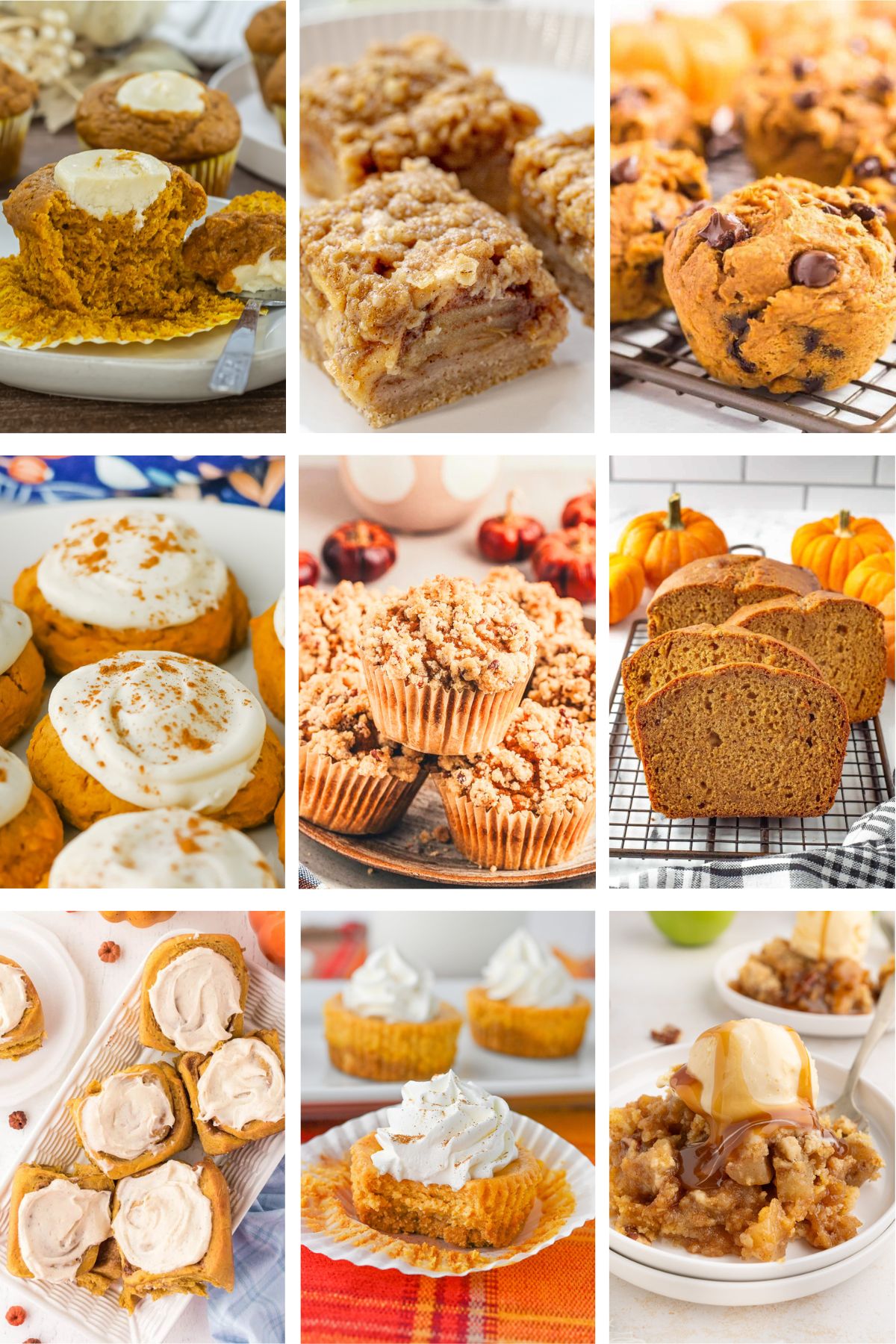
Autumn baking recipes focus on utilizing seasonal produce like apples and squash, coupled with warm spices such as cinnamon and nutmeg, to achieve comforting flavors and dense, moist textures. According to the Culinary Institute of America (CIA), balancing moisture ratios and fat content is essential when incorporating dense autumn purees into traditional doughs and batters. Mastering these seasonal formulations ensures reliable structural integrity and rich taste profiles suited for cool-weather gatherings. Enthusiasts looking to expand culinary repertoires often explore dedicated resources within Recipes & Baking for additional seasonal inspiration.
Cottage Project & Prep Snapshot:
- Core Focus: Seasonal autumn baking formulas incorporating whole grains, warm spices, and fresh orchard produce.
- Materials & Scope: Precision kitchen scales, heavy-gauge cast iron or aluminum bakeware, and whole-spice grinders.
- Key Recommendation: Always weigh flour using metric measurements rather than volumetric cups to maintain proper hydration balances.
Core Principles and Detailed Overview
Autumn baking requires precise temperature controls and ingredient ratios to accommodate the heavy starches and high moisture levels found in traditional fall produce. Incorporating ingredients like pumpkin purée, grated apples, and root vegetables alters the liquid balance of standard recipes, necessitating adjustments to leavening agents and baking times. Bakers must monitor oven thermometers closely, as convection variations can easily compromise the delicate crust formation of spiced loaves and rustic galettes. Beyond the kitchen, many home organizers enjoy pairing kitchen routines with seasonal aesthetic enhancements found in DIY & Cottage Decor.
Key Specifications and Breakdown
| Component / Step | Recommended Specification | Quality & Practical Tip |
|---|---|---|
| Spice Blends | Freshly ground cinnamon, clove, and nutmeg | Grind whole spices immediately before mixing to maximize volatile aromatic oils. |
| Moisture Content | Standardized purée water-weight reduction | Simmer fresh pumpkin purée on the stovetop to evaporate excess water before batter integration. |
| Baking Environment | Calibrated oven preheated to 350°F to 425°F | Use an internal oven thermometer to eliminate hot spots and ensure even crumb setting. |
Proper internal temperature verification prevents structural collapse in dense seasonal quick breads and fruit tarts — Culinary Institute of America (CIA). Related guide: Recipes Baking.
Step-by-Step Practical Application and Guidelines
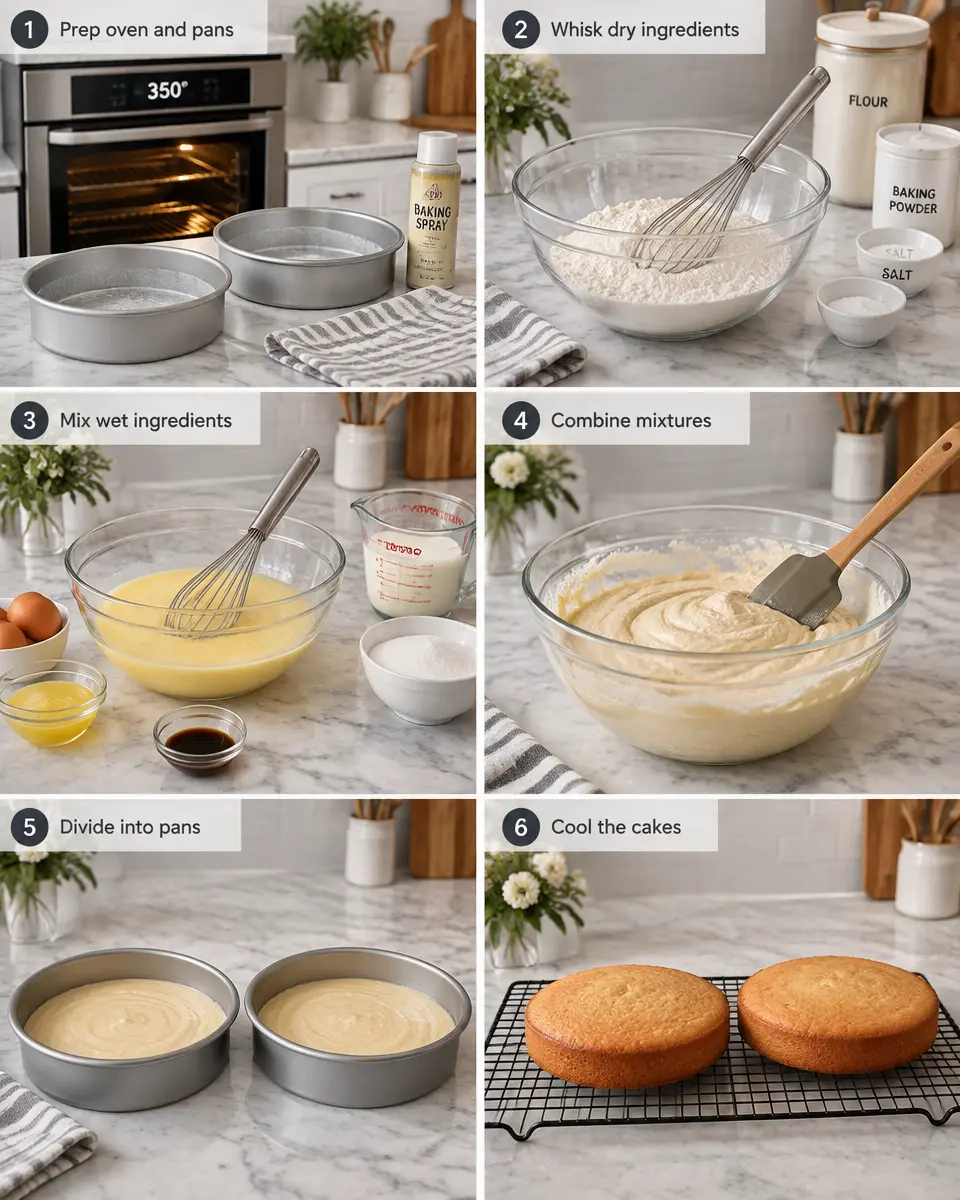
Successful execution of autumn baking recipes begins with organizing room-temperature dairy and fats alongside dry goods before any mixing commences. Whisking dry ingredients thoroughly ensures that leavening agents and heavy spices distribute evenly throughout dense batters, preventing bitter pockets of baking soda. Fold wet fruit and heavy purées gently into dry mixtures using a rubber spatula to avoid overdeveloping gluten, which creates tough crusts. Transfer completed batters immediately to prepared, parchment-lined pans and bake on the center oven rack to promote uniform heat circulation and golden-brown exterior finishes.
Common Challenges and How to Avoid Them
Sinkholes in the center of spiced loaves and undercooked layers in fruit galettes typically stem from inaccurate measurement or excessive moisture in seasonal ingredients. Home bakers can prevent heavy, gummy textures by thoroughly blotting wet ingredients like apples or draining excess liquid from canned pumpkin before incorporation. Furthermore, avoiding the temptation to open the oven door during the first twenty minutes of baking protects delicate rise structures from collapsing due to sudden ambient temperature drops. Those seeking creative table displays to accompany these seasonal treats frequently utilize ideas from Printables & Paper Crafts.
💬 Frequently Asked Questions
Explore More Guides on The Cottage Chronicles
Discover a wealth of traditional homesteading inspiration, seasonal culinary tutorials, and heritage living guides available across The Cottage Chronicles to enrich every autumn gathering.
Recipe Step Photos & Variations