Introduction
Recipes baking apples transform orchard-fresh fruit into tender, spiced desserts by applying controlled dry heat to break down pectin while concentrating natural sugars. According to the Culinary Institute of America (CIA), choosing firm-fleshed varieties with balanced acidity is essential for maintaining structural integrity during prolonged thermal processing. Mastering these traditional dessert formulations allows home bakers to produce consistently caramelized centers and perfectly tender skins without structural collapse. Exploring trusted culinary methods helps ensure optimal flavor development across every seasonal harvest batch. For additional seasonal dessert ideas, browse the curated collections found under Recipes & Baking.
Cottage Project & Prep Snapshot:
- Core Focus: Selecting, coring, and thermal processing of whole or sliced orchard apples.
- Materials & Scope: Firm baking apples, butter, brown sugar, autumn spices, and heavy ceramic baking dishes.
- Key Recommendation: Maintain a moderate oven temperature of 375°F to achieve caramelization without scorching.
Core Principles and Detailed Overview
Recipes baking apples rely on precise moisture management and heat distribution to gelatinize internal starches without disintegrating the outer skin. Firm cultivars such as Braeburn, Honeycrisp, and Granny Smith maintain their shape under high heat due to tight cellular structures. Selecting the right fruit variety prevents undesirable mushiness and ensures the flesh absorbs rich additions like butter, maple syrup, cinnamon, and toasted pecans. Proper core removal creates a precise cavity for stuffing fillings while leaving the base intact to retain flavorful syrups during roasting. For complementary home styling inspiration while hosting autumn gatherings, consult the resources listed under DIY & Cottage Decor.
Key Specifications and Breakdown
| Component / Step | Recommended Specification | Quality & Practical Tip |
|---|---|---|
| Apple Variety | Firm-fleshed, tart-sweet cultivars (e.g., Rome Beauty, Honeycrisp) | Avoid mealy summer varieties that collapse under heat. |
| Oven Temperature | 375°F (190°C) conventional thermal setting | Provides balanced caramelization of sugars without burning exterior skins. |
| Baking Medium | Glass or ceramic baking dish with shallow liquid depth | Adding water or cider prevents sticking and creates basting syrup. |
Bake apples to an internal fork-tender consistency while ensuring flesh retains its structural integrity to prevent total collapse — Culinary Institute of America (CIA). Related guide: Recipes Baked Broccoli.
Step-by-Step Practical Application and Guidelines
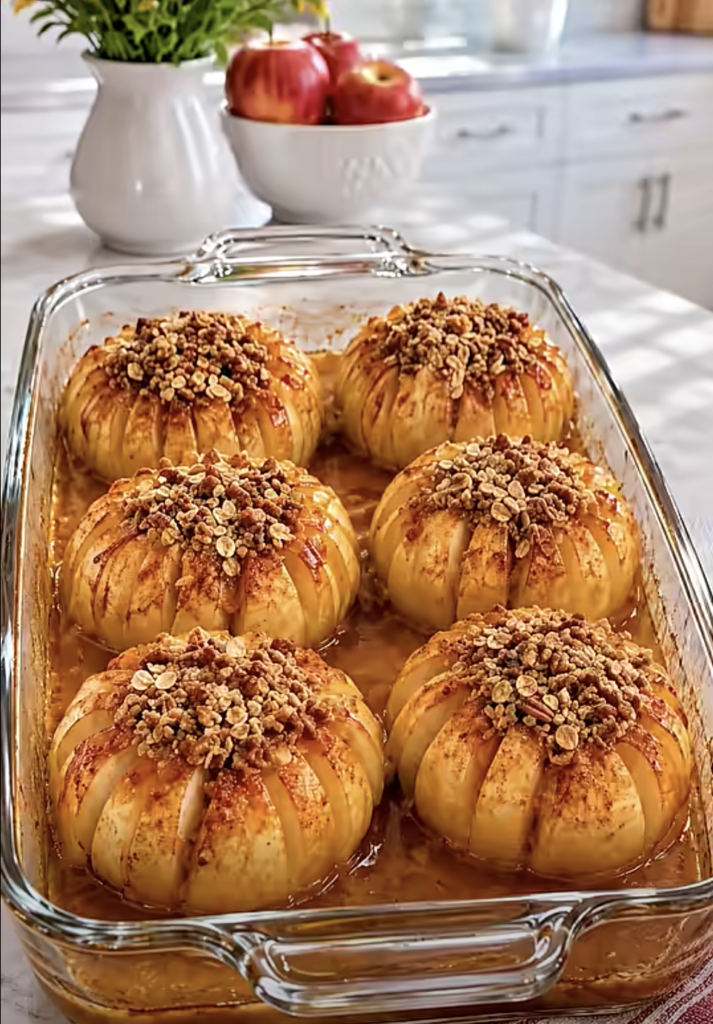
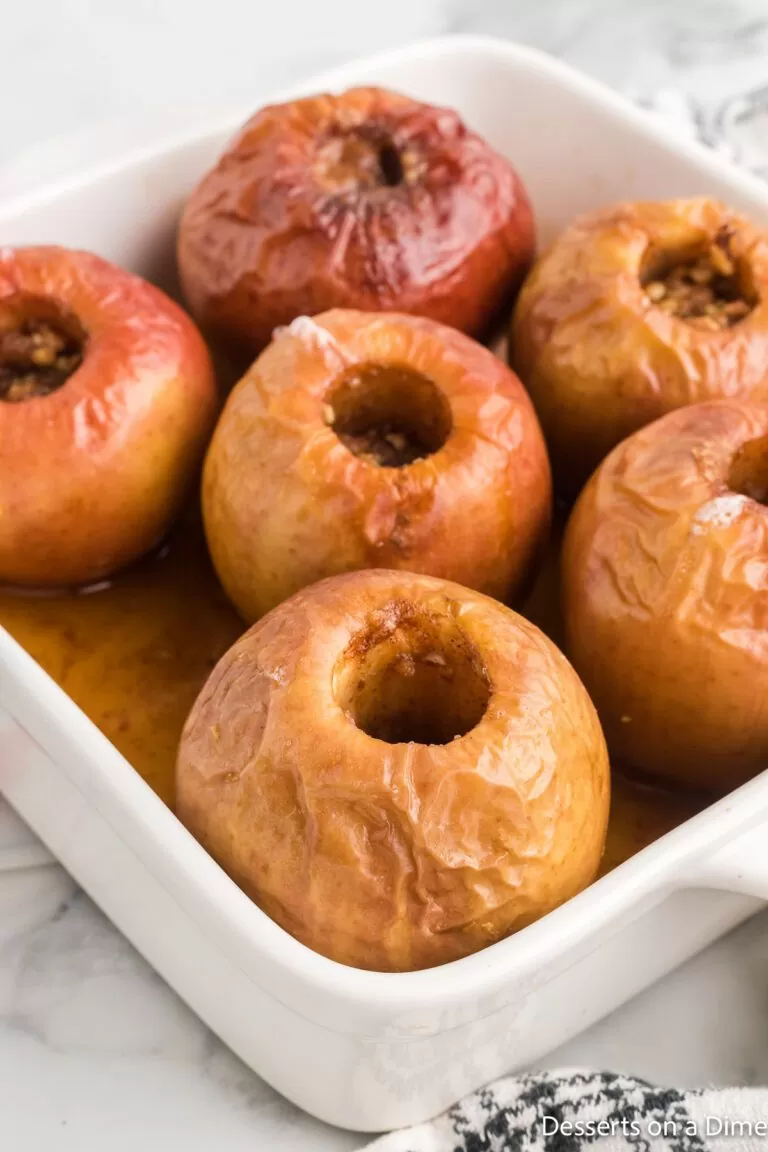
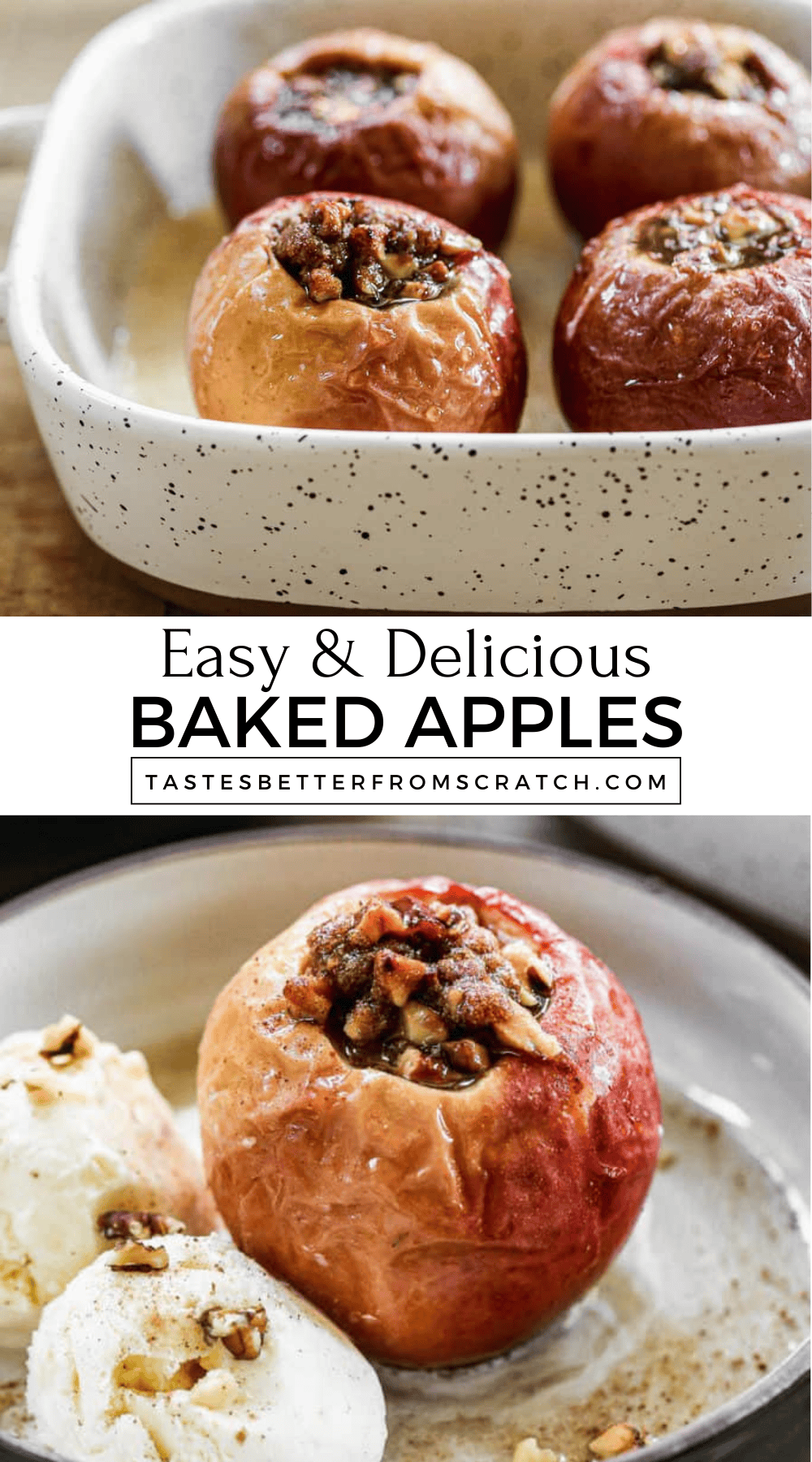
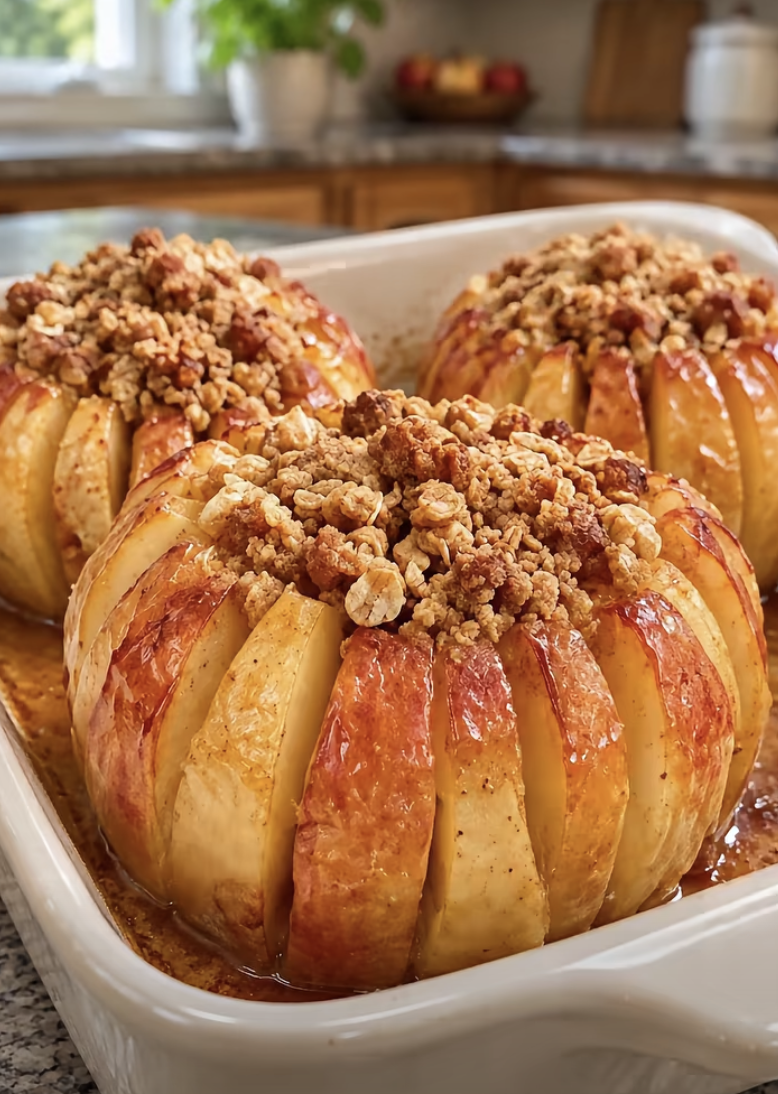
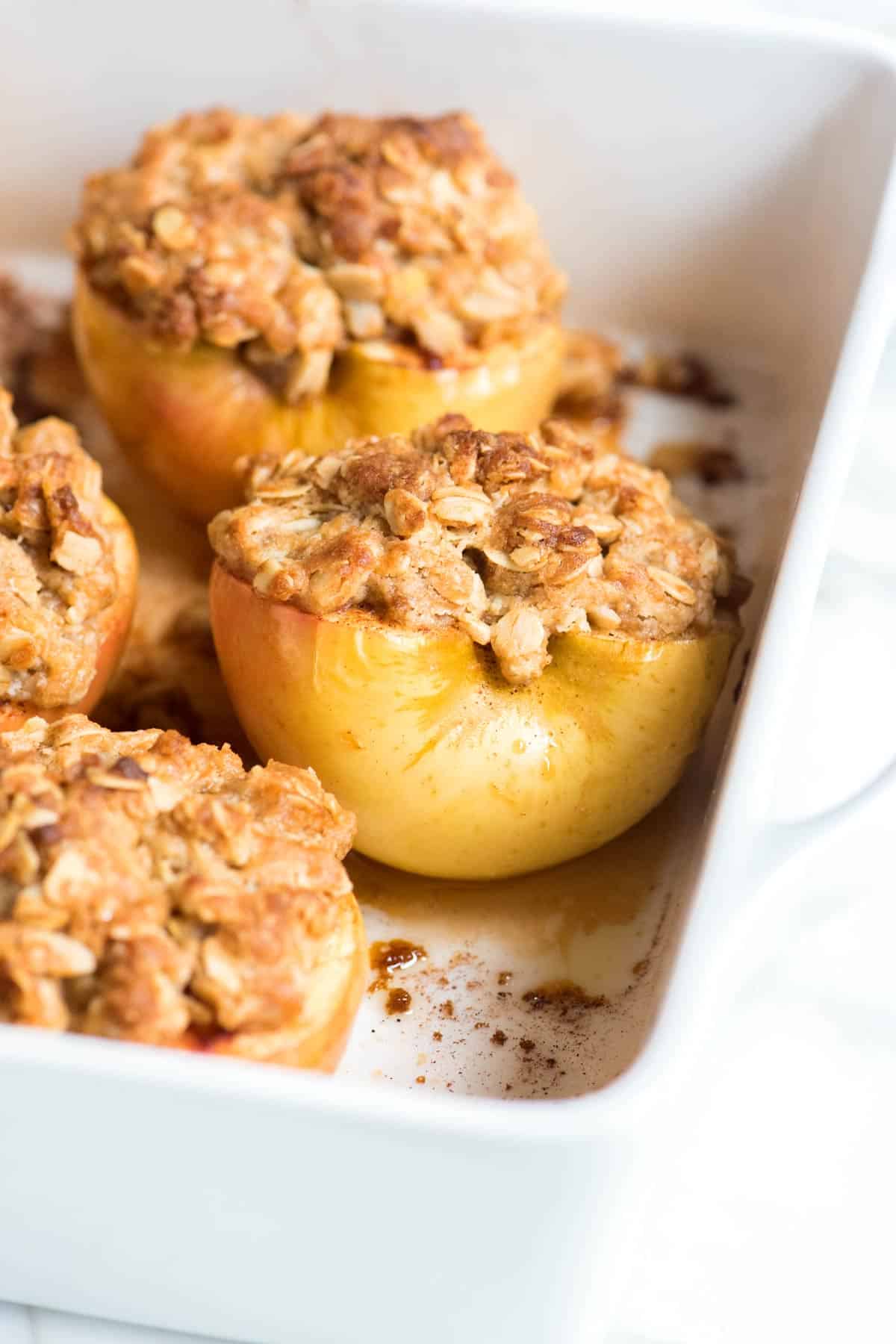
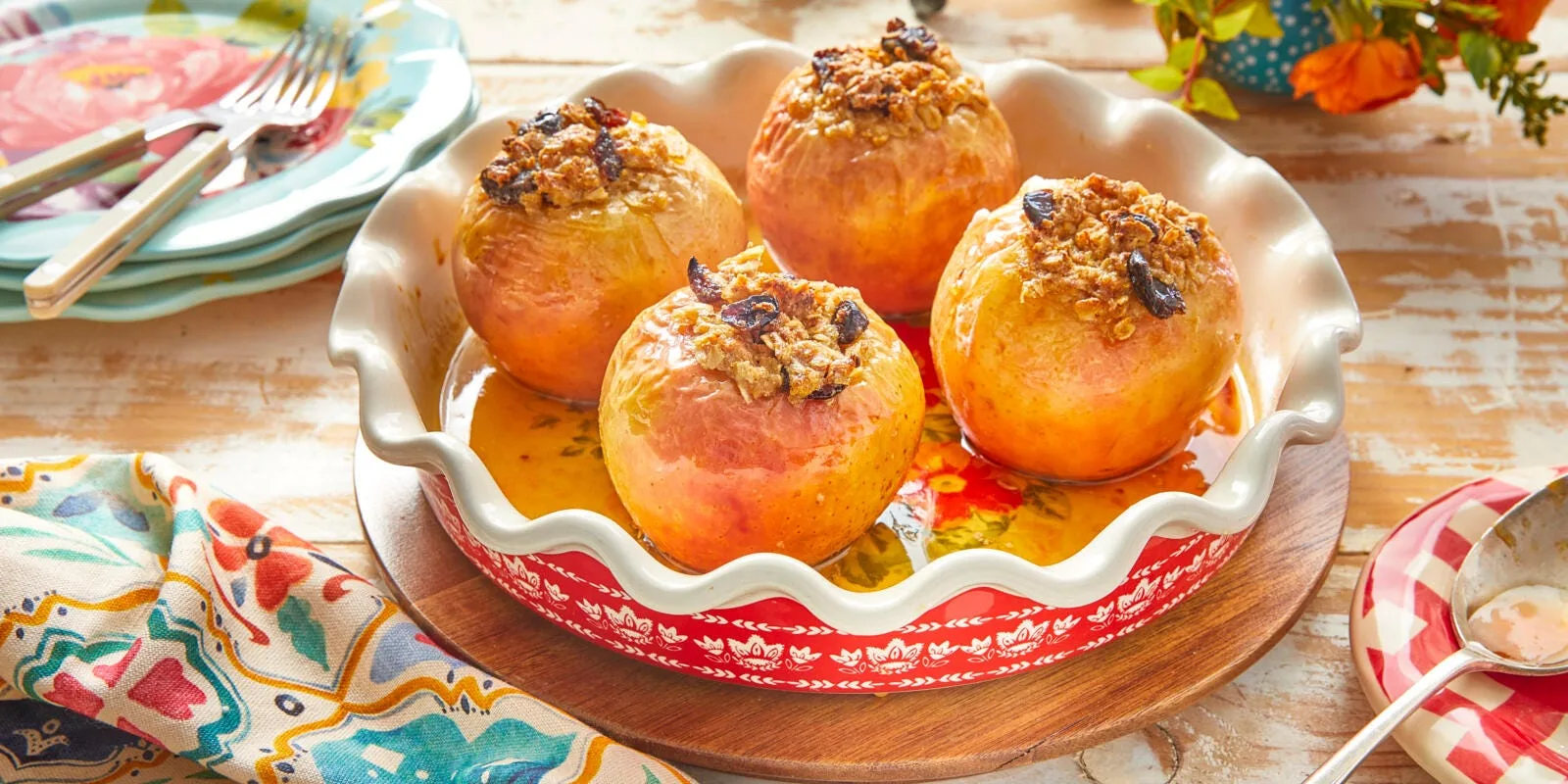
Executing successful recipes baking apples requires methodical fruit preparation, cavity stuffing, and attentive thermal monitoring. Wash and dry fruit thoroughly before employing a corer to remove the stem and central seeds, taking care not to pierce the bottom flesh. Pack the created cavity with a mixture of softened butter, dark brown sugar, ground cinnamon, and rolled oats or chopped nuts. Arrange the stuffed fruit in a lightly greased ceramic baking dish, pour a small amount of apple cider or water around the base, and bake uncovered until the flesh yields easily to a paring knife. Baste the exterior periodically with accumulated pan juices during the final ten minutes of baking to enhance glossy surface caramelization.
Common Challenges and How to Avoid Them
Recipes baking apples frequently fail when the fruit bursts open prematurely due to excessive oven temperatures or improper skin scoring. Piercing the outer peel gently with a fork prior to baking allows steam to escape safely, preventing unsightly splits and structural failure. Over-baking results in a puréed texture, so monitoring cooking times closely ensures the fruit retains an appealing geometric form upon serving. Using unrefined sugars and high-fat butter prevents dryness and yields a richer, glossier sauce that clings perfectly to the tender flesh.
💬 Frequently Asked Questions
Explore More Guides on The Cottage Chronicles
Traditional homestead preservation methods, seasonal culinary arts, and handmade paper crafts await discovery within the broader archives at The Cottage Chronicles. Visitors can also explore creative paper projects and templates by visiting Printables & Paper Crafts for year-round cottage inspiration.
Recipe Step Photos & Variations