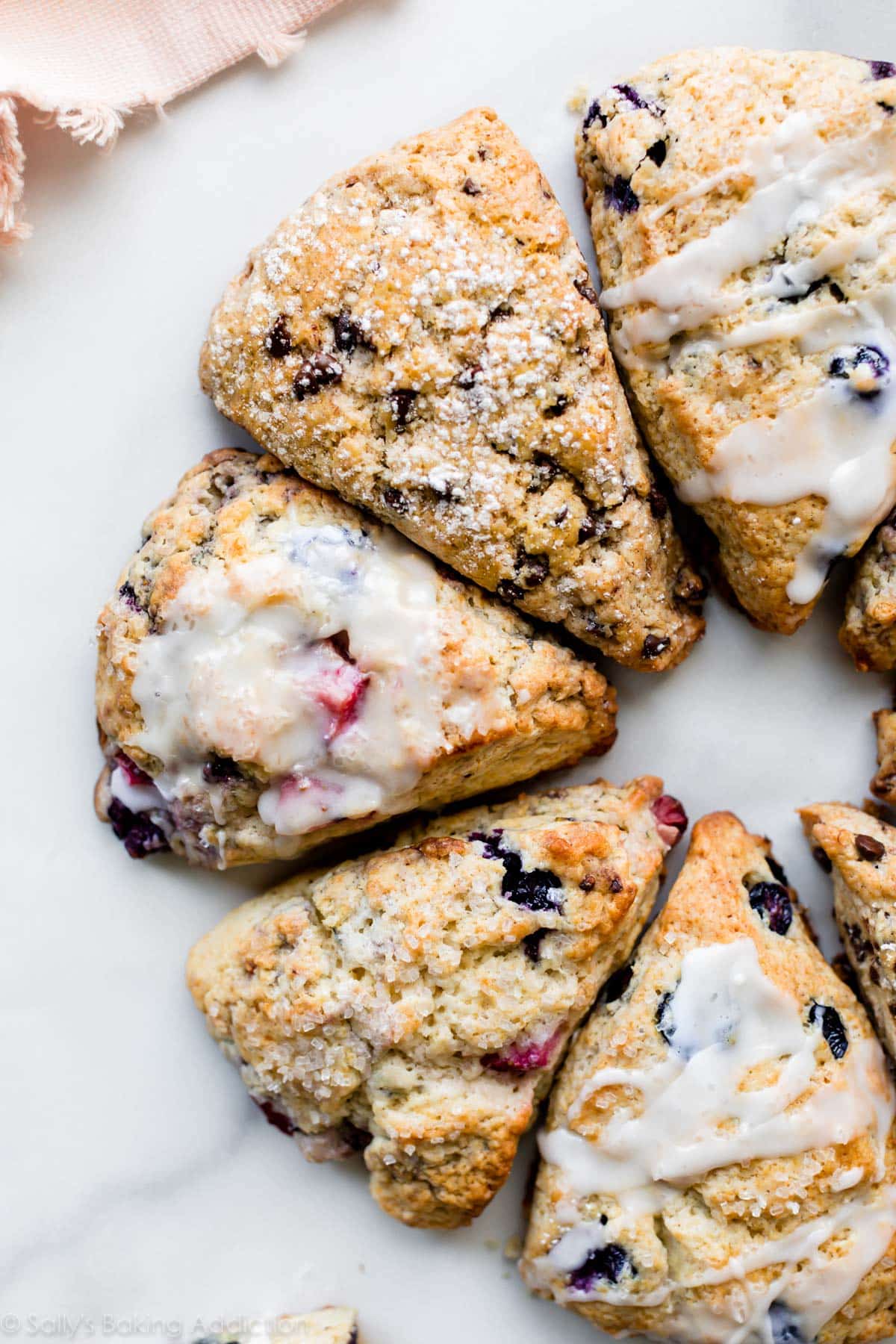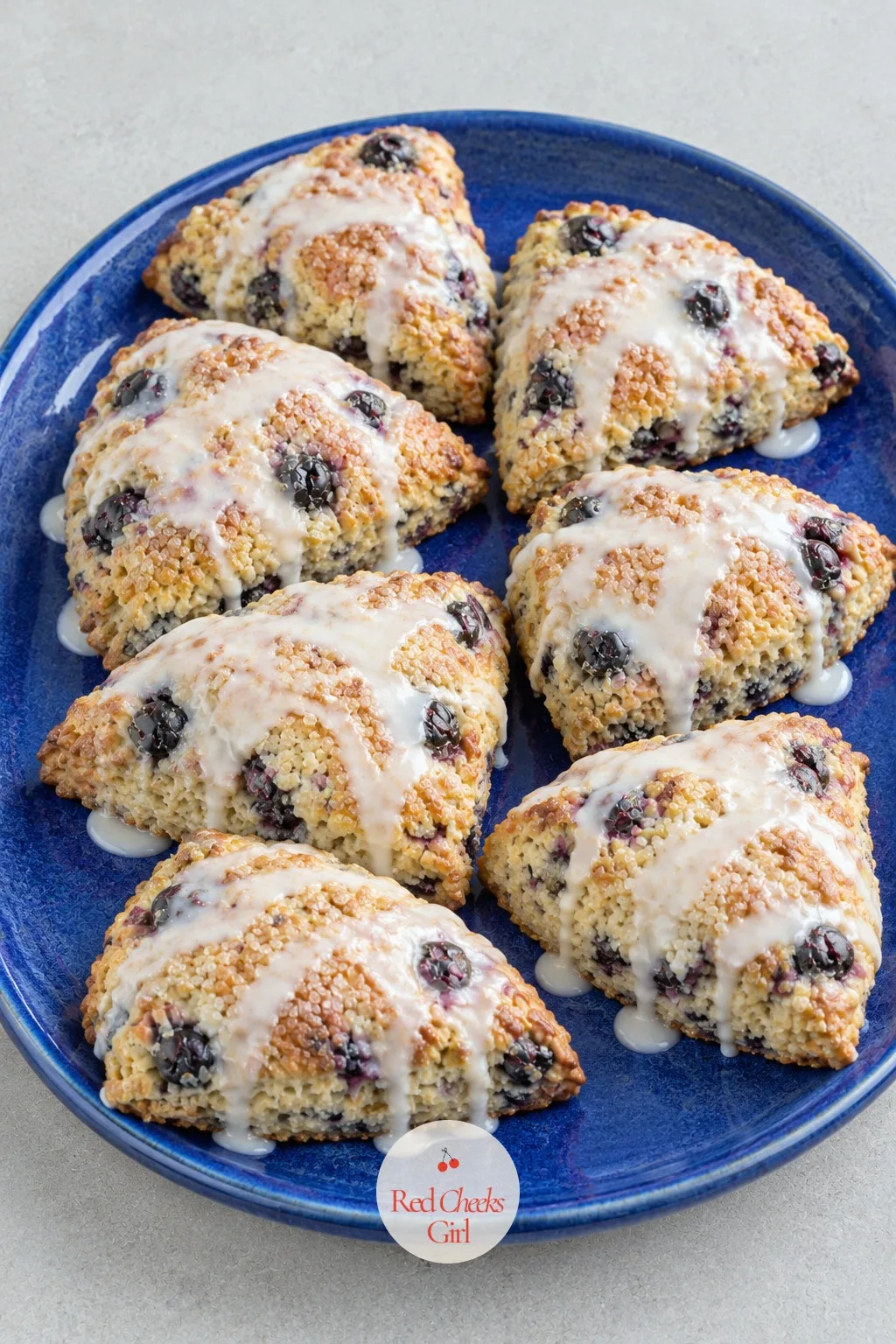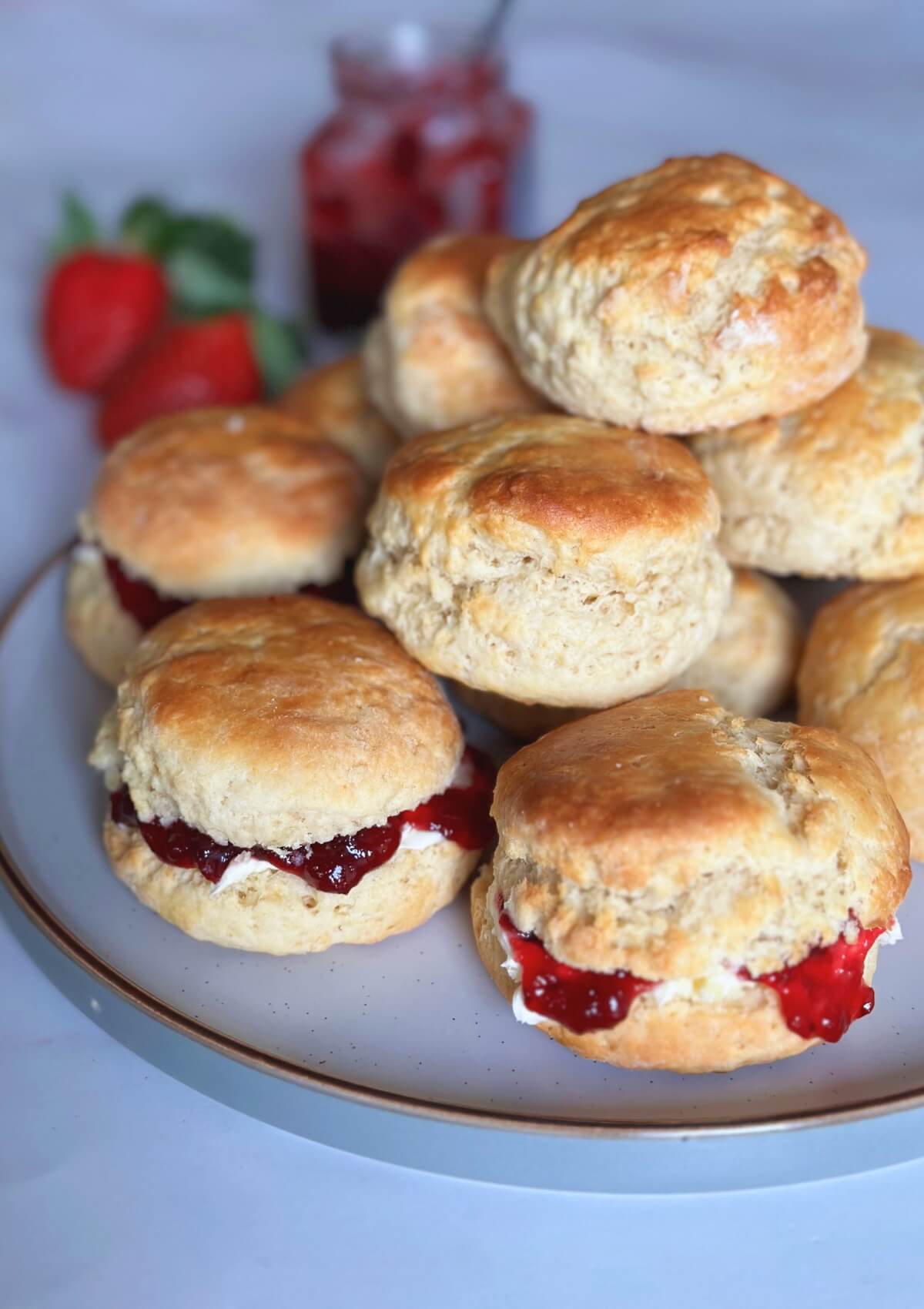
Introduction
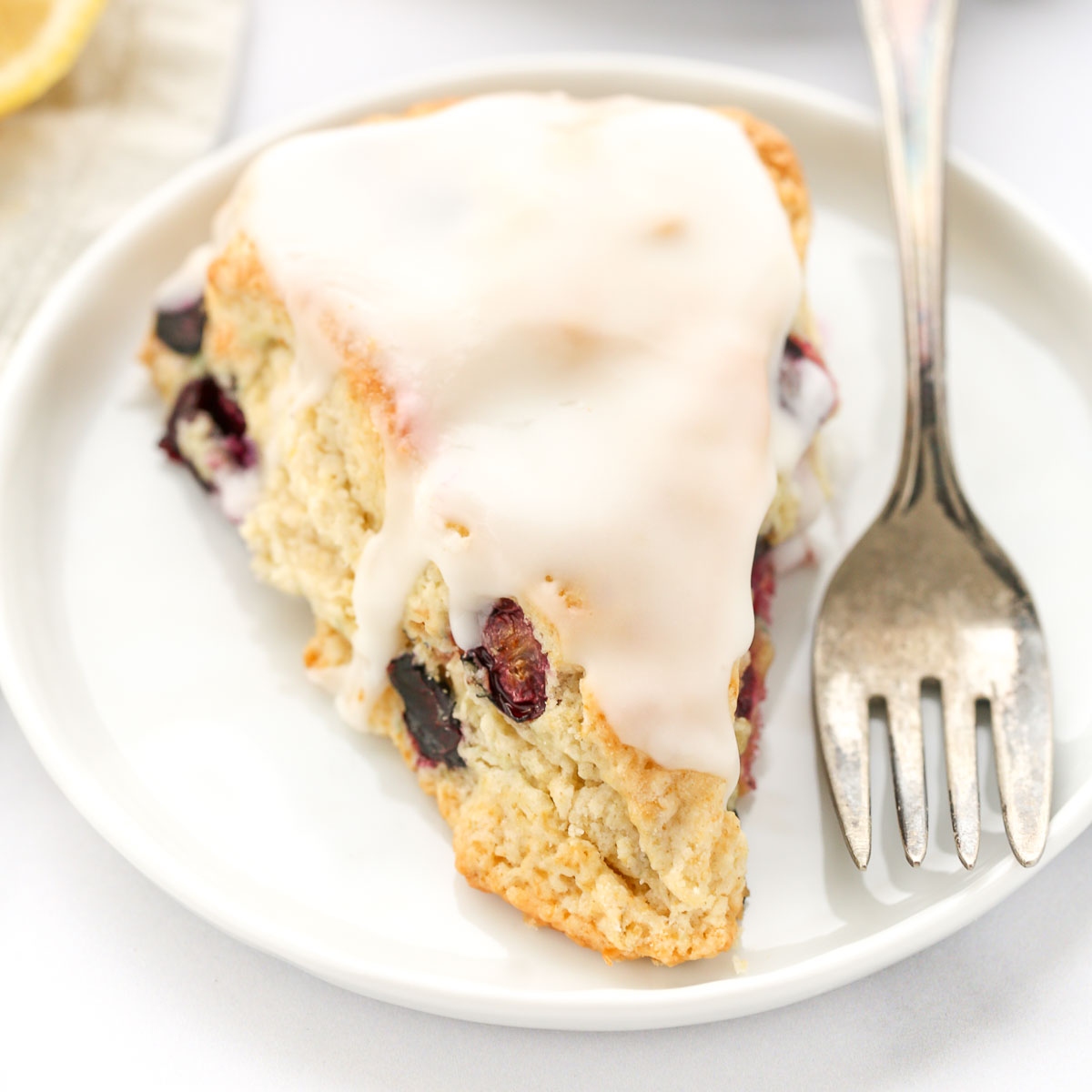
Mastering recipes baking scones involves understanding scientific ratios of cold fats, protein structures, and high-heat baking environments to achieve a tender interior and flaky layers. According to the Culinary Institute of America (CIA), maintaining very cold butter incorporated rapidly into dry ingredients remains the foundational secret to creating authentic, steam-lifted baked goods with superior crumb structure. The following guide details precise ingredient ratios, fundamental mixing protocols, and professional oven management techniques designed to elevate traditional cottage-style baking.
Cottage Project & Prep Snapshot:
- Core Focus: Professional techniques and reliable formulation for baking perfect traditional scones.
- Materials & Scope: Pastry flour, grated frozen unsalted butter, heavy cream, crystal sugar, and heavy-duty baking sheets.
- Key Recommendation: Chill all dairy components thoroughly and avoid overworking the gluten-containing dough to guarantee maximum flakiness.
Core Principles and Detailed Overview
Successful scone production relies strictly on minimizing gluten development while maximizing trapped steam pockets released during the initial phase of baking. Recipes baking scones generally demand a low-protein pastry flour or all-purpose flour blended precisely with baking powder as the chemical leavening agent. When cold solid fats melt inside a blazing hot oven, they release water content that converts to steam, physically pushing the pastry layers apart and forming the characteristic flaky texture associated with artisan homestyle bakeries. Practitioners must handle the dough with minimal contact, using bench scrapers and rolling pins gently to preserve structural integrity. For more related activities, check out our Recipes Baking Healthy.
Key Specifications and Breakdown
| Component / Step | Recommended Specification | Quality & Practical Tip |
|---|---|---|
| Fat Ratio | 25% to 30% fat-to-flour weight ratio | Use grated frozen butter to distribute fat evenly without melting from hand warmth. |
| Liquid Integration | Cold dairy (heavy cream or buttermilk) | Add liquids all at once and mix only until shaggy dough forms to prevent toughness. |
| Oven Temperature | 400°F to 425°F (200°C to 220°C) | Bake on parchment-lined heavy baking sheets to ensure a crisp, golden exterior crust. |
Strict temperature control of dairy and fats directly governs the final crumb height, flake count, and structural expansion during oven spring — Culinary Institute of America (CIA)
Step-by-Step Practical Application and Guidelines
Executing reliable recipes baking scones starts by whisking dry ingredients together in a wide mixing bowl before cutting in the chilled fat. Whisk all-purpose flour, granulated sugar, baking powder, and sea salt thoroughly. Cut frozen unsalted butter into the mixture using a pastry blender or box grater until the texture resembles coarse breadcrumbs with visible pea-sized butter shards. Pour chilled heavy cream over the dry mixture, folding gently with a silicone spatula until a cohesive yet shaggy mass forms. Turn the dough out onto a lightly floured wooden work surface, pat into a uniform disk, cut into individual wedges, brush with cream, and bake immediately at high heat.
Common Challenges and How to Avoid Them
Preventing dense, heavy, or overly dry results requires identifying and correcting common preparation errors before the pans enter the oven. Over-kneading the dough activates excess gluten proteins, transforming a light crumb into a tough, bread-like texture. Furthermore, allowing butter pieces to soften at room temperature prior to baking eliminates necessary steam pockets, causing the pastries to spread flat instead of rising upward. For additional inspiration regarding traditional comfort foods, explore our collection of Recipes & Baking guides, alongside seasonal ideas featured in DIY & Cottage Decor and paper crafts found under Printables & Paper Crafts.
💬 Frequently Asked Questions
Explore More Guides on The Cottage Chronicles
Discover a wealth of traditional homesteading inspiration, seasonal homemaking resources, and artisanal guides across The Cottage Chronicles. Every published tutorial is crafted to help homeowners and makers cultivate a warm, authentic, and beautifully functional lifestyle.
Recipe Step Photos & Variations