Introduction
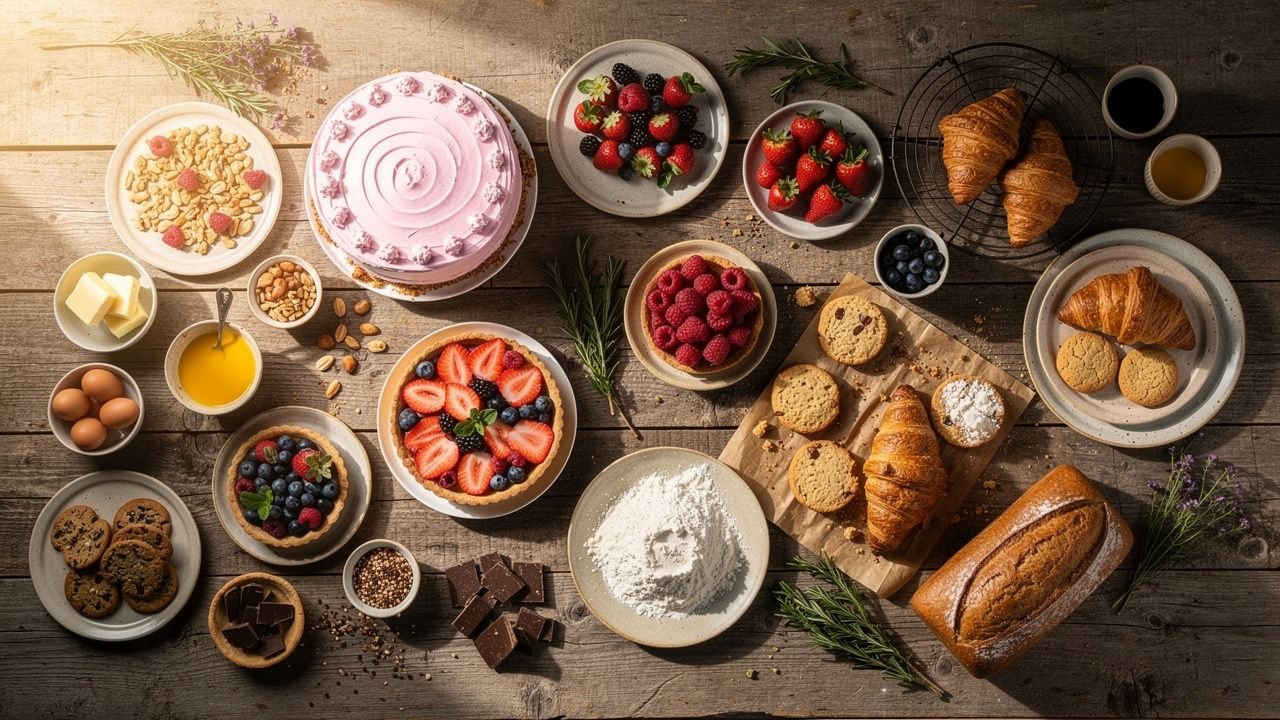
Recipes baking dessert require exact chemical ratios, precise thermal control, and quality ingredients to achieve ideal crumb structures and flavor balances. According to the Culinary Institute of America (CIA), successful baking relies on strict measurement accuracy rather than casual estimation, ensuring consistent textures across cakes, pastries, and artisanal breads. Traditional home bakers, educators, and culinary enthusiasts can elevate their handmade creations by mastering foundational mixing methods and strict oven calibration standards. For additional inspiration, explore various kitchen projects within the Recipes & Baking archive.
Cottage Project & Prep Snapshot:
- Core Focus: Mastering professional-grade pastry and dessert baking techniques in a home kitchen.
- Materials & Scope: Digital scale, unbleached flour, unsalted butter, and calibrated oven thermometers.
- Key Recommendation: Always weigh dry ingredients by grams rather than volume to guarantee recipe repeatability.
Core Principles and Detailed Overview
Recipes baking dessert depend on the fundamental interaction between gluten development, fat emulsification, and leavening agents. Understanding how butter traps air during creaming or how baking powder reacts to heat determines whether a sponge rises evenly or a pastry crust remains flaky. Home bakers should organize all components using the French mise en place method before starting any mixing phase. Mastering these foundational techniques prevents common structural failures like dense cakes or weeping custards, ensuring professional results on every single batch.
Key Specifications and Breakdown
| Component / Step | Recommended Specification | Quality & Practical Tip |
|---|---|---|
| Fat Temperature | Room Temperature (68°F to 72°F) | Ensures optimal air incorporation during the creaming stage for cakes and cookies. |
| Flour Measurement | Gram weight via digital scale | Eliminates flour compaction errors caused by traditional volume-measuring cups. |
| Oven Calibration | Verified via hanging thermometer | Prevents unexpected heat spikes or drops that ruin delicate soufflés and pastries. |
Proper internal temperature monitoring ensures baked goods reach complete structural setting without moisture loss — USDA Food Safety and Inspection Service (FSIS)
Step-by-Step Practical Application and Guidelines
Recipes baking dessert demand a disciplined workflow starting with ingredient temperature standardization and ending with proper cooling protocols. Begin by preheating the oven twenty minutes prior to baking, verifying the internal ambient temperature with an independent oven thermometer. Sift dry ingredients thoroughly to distribute leavening agents evenly throughout the mixture, preventing uneven rising. Combine wet ingredients gently to avoid overworking gluten networks in tender crumb cakes or pie crusts. Transfer pans to the center oven rack to allow uniform air circulation, and cool finished goods completely on wire racks to preserve crisp textures.
Common Challenges and How to Avoid Them
Common dessert baking failures typically stem from inaccurate measurements, incorrect oven temperatures, or overmixed batters. Dry cakes and tough cookies usually result from packing flour into measuring cups or letting gluten develop past desired limits. Preventing these errors requires shifting from volumetric measuring cups to digital weight scales and utilizing an independent oven thermometer to verify thermal accuracy. Furthermore, readers expanding their creative domestic repertoire frequently cross-reference culinary techniques with projects found in DIY & Cottage Decor and Printables & Paper Crafts.
💬 Frequently Asked Questions
Explore More Guides on The Cottage Chronicles
Building a well-rounded homestead involves balancing culinary arts with traditional handcrafts and cozy domestic styling. Expand your practical knowledge base by exploring comprehensive tutorials, seasonal baking guides, and heritage homemaking tips across The Cottage Chronicles.
Recipe Step Photos & Variations