Introduction
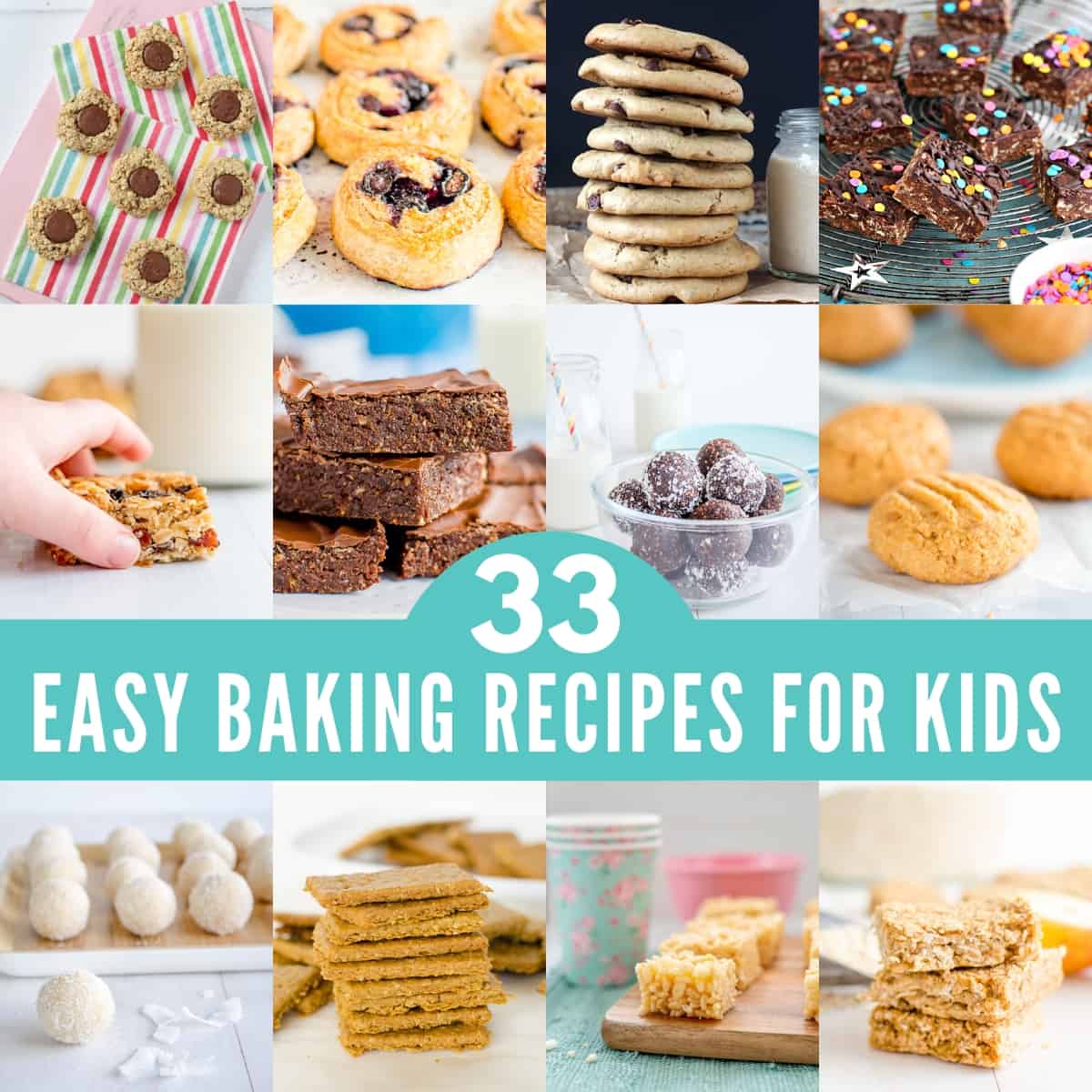
Recipes baking for kids require scaled ingredient ratios, manageable mixing steps, and strict safety guidelines to ensure successful culinary experiences in home kitchens. According to the Culinary Institute of America (CIA), teaching youth fundamental baking techniques builds essential kitchen confidence, mathematical measuring skills, and lifelong nutritional awareness. Selecting the right projects transforms standard afternoon routines into rewarding, hands-on domestic arts education. For additional homestead culinary inspirations, visit the Recipes & Baking library.
Cottage Project & Prep Snapshot:
- Core Focus: Safe, scaled, and engaging baking recipes designed specifically for young learners.
- Materials & Scope: Sturdy mixing bowls, blunt spreaders, accurate measuring cups, and simple whole-food ingredients.
- Key Recommendation: Always pre-measure ingredients into individual small bowls (mise en place) before inviting children to the workstation.
Core Principles and Detailed Overview
Successful child-friendly baking relies on tactile engagement, simplified workflows, and predictable chemical reactions that yield delicious results without complicated steps. Direct engagement with raw doughs and batters helps children understand fundamental ratios of flour, fat, and leavening agents. Choosing drop cookies, simple scones, or soft yeast breads allows participants to witness physical transformations firsthand while keeping clean-up manageable for supervisors. Establishing a dedicated, counter-height workspace ensures proper leverage for stirring and kneading, which prevents unnecessary kitchen fatigue and accidental spills.
Key Specifications and Breakdown
| Component / Step | Recommended Specification | Quality & Practical Tip |
|---|---|---|
| Ingredient Prep | Pre-measured in bowls (Mise en place) | Eliminates math errors and keeps the active mixing phase fast-paced. |
| Mixing Tools | Silicone spatulas and wide wooden spoons | Provides comfortable grips for small hands while protecting non-stick cookware. |
| Oven Safety | Tempered glass doors and insulated mitts | Teaches spatial awareness and heat protection during loading and unloading. |
Food safety protocols mandate that raw flour and unpasteurized eggs must never be tasted during dough preparation to eliminate microbial risks — USDA Food Safety and Inspection Service (FSIS). For more related activities, check out our Recipes Baking Chocolate.
Step-by-Step Practical Application and Guidelines
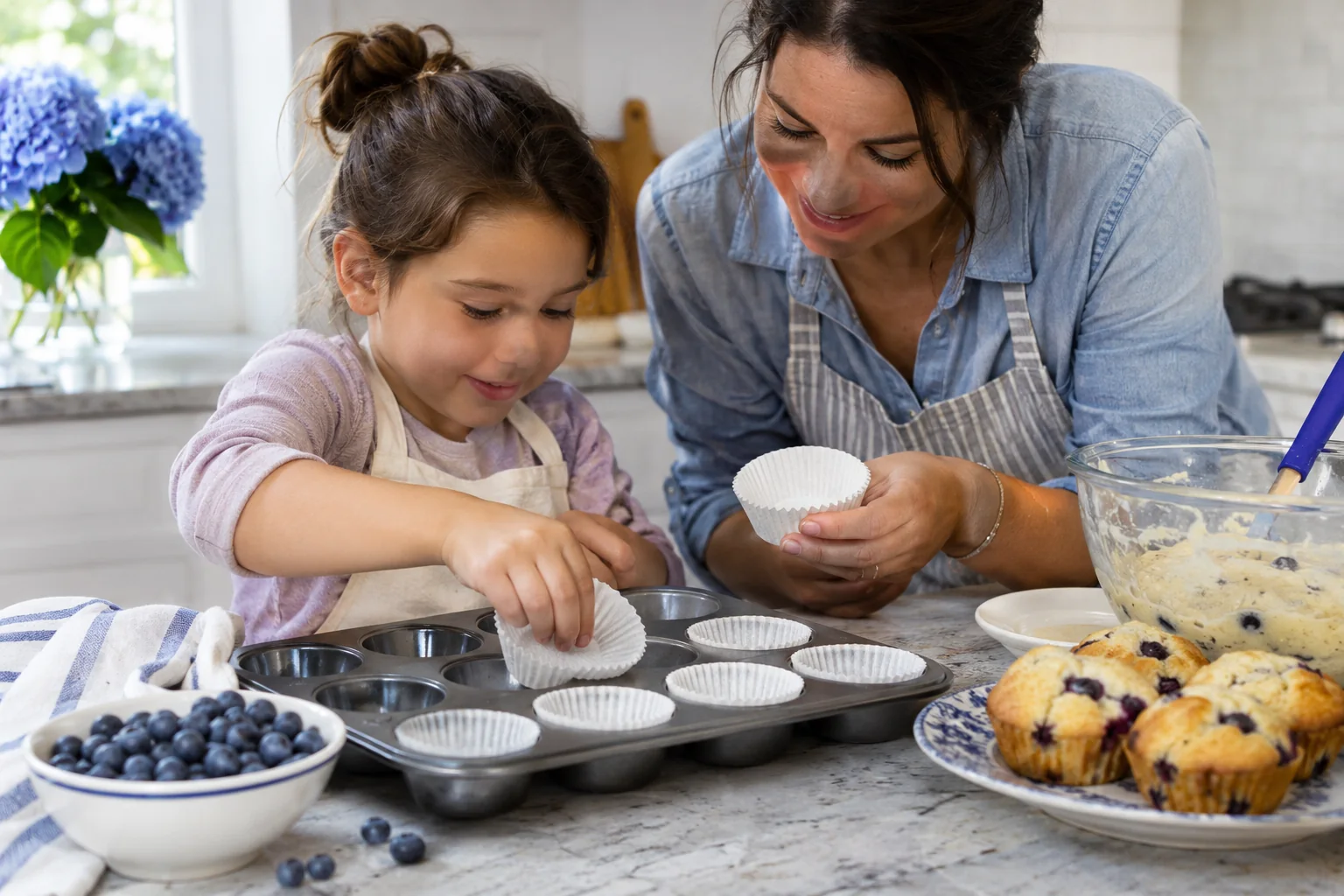
Executing baking projects safely with children involves clear staging, deliberate task delegation, and continuous thermal oversight. Begin by washing hands thoroughly and donning aprons to set a professional tone in the home kitchen. Introduce dry ingredients first, allowing young bakers to practice leveling flour with straight edges before combining liquids. Supervise all oven operations closely, utilizing high-temperature silicone mitts and placing baking sheets firmly on center racks for even thermal convection. Finally, allow finished goods to cool completely on wire racks before tasting, reinforcing patience alongside culinary execution.
Common Challenges and How to Avoid Them
Over-mixing doughs and measuring flour incorrectly remain the most frequent hurdles when children tackle baking projects. To prevent tough textures caused by over-activated gluten, instruct bakers to stop stirring the exact moment dry pockets disappear from batters. Counter inaccurate measurements by demonstrating how to spoon flour lightly into dry measuring cups rather than scooping directly from storage containers. Maintaining a calm, structured environment ensures that minor kitchen spills turn into valuable lessons rather than stressful interruptions.
💬 Frequently Asked Questions
Explore More Guides on The Cottage Chronicles
Delve deeper into traditional domestic arts, farmhouse styling, and handmade homestead crafts by browsing the comprehensive archives at The Cottage Chronicles. Whether updating interior spaces with inspiration from DIY & Cottage Decor or organizing rainy-day activities through Printables & Paper Crafts, every guide is crafted to enrich authentic country-living lifestyles.
Recipe Step Photos & Variations