Introduction
Transforming urban tropical living through handmade elements requires sourcing local resources to craft sustainable home aesthetics. According to the American Society of Interior Designers (ASID), integrating regional artisanal materials enhances spatial authenticity while promoting environmental wellness in tropical residences. Readers exploring creative home enhancement find curated inspiration within DIY & Cottage Decor for infusing rustic charm into modern spaces. Sustainable handcrafted projects utilize locally accessible rattan, reclaimed teak, and natural cotton textiles to replicate timeless cottage atmospheres within high-humidity environments.
Cottage Project & Prep Snapshot:
- Core Focus: Executing handmade tropical cottage transformations and authentic artisan crafts.
- Materials & Scope: Rattan fibers, breathable linens, local reclaimed hardwoods, and natural sealants.
- Key Recommendation: Always select breathable, mold-resistant natural finishes to withstand equatorial humidity.
Core Principles and Detailed Overview
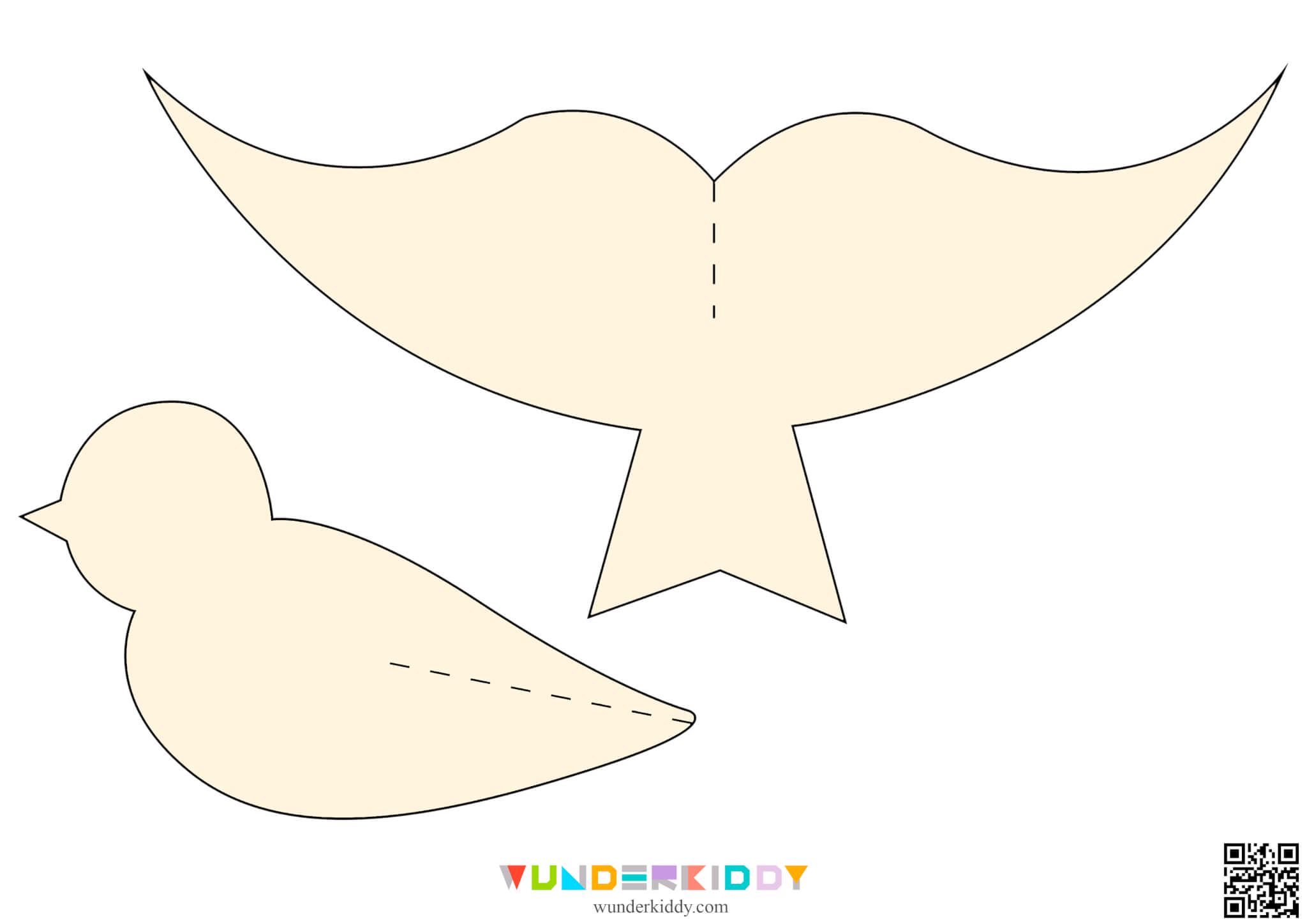
Implementing creative handicraft initiatives in tropical capital environments demands careful selection of moisture-resistant materials and structural treatments. Local artisans leverage indigenous vegetation like water hyacinth and bamboo to build durable, lightweight furniture frames and decorative accents. Crafters aiming to expand their handmade repertoire can explore Printables & Paper Crafts for precise template designs that guide intricate home decor assemblies. Proper surface preparation, including anti-fungal priming and water-based varnishes, ensures that handmade wooden and textile pieces maintain structural integrity despite seasonal monsoons.
Key Specifications and Breakdown
| Component / Step | Recommended Specification | Quality & Practical Tip |
|---|---|---|
| Structural Framework | Kiln-dried teak or treated bamboo | Prevents warping and insect infestation in high-humidity climates. |
| Textile Selection | 100% heavyweight linen or raw cotton | Ensures optimal breathability and prevents trapped moisture mildew. |
| Surface Finishing | Water-based matte polyurethane sealer | Protects raw wood grains while maintaining an organic cottage appearance. |
Use non-toxic, low-VOC sealants and naturally derived preservatives to protect indoor wooden furnishings from tropical humidity without releasing harmful airborne pollutants — Environmental Protection Agency (EPA)
Step-by-Step Practical Application and Guidelines
Executing successful handmade interior projects involves methodical planning, precise measuring, and adherence to safe fabrication techniques. Initial phases require assessing room dimensions, sourcing regional raw materials from local markets, and preparing well-ventilated workspaces. Crafters must apply finishes in thin, even coats, allowing adequate drying time between layers to guarantee long-lasting durability. Incorporating handcrafted textiles, such as woven table runners or hand-printed linen cushion covers, instantly elevates the rustic aesthetic of any living space.
Common Challenges and How to Avoid Them
Preventing material degradation caused by rapid weather shifts remains the primary challenge when undertaking hand-crafted projects in equatorial regions. High ambient moisture levels frequently compromise standard glues and untreated wood, leading to premature peeling or mold growth. Utilizing marine-grade adhesives, stainless steel hardware, and moisture barriers effectively mitigates environmental wear. Crafters also benefit from testing finishing products on scrap materials before applying them to final artisan home furnishings.
💬 Frequently Asked Questions
Explore More Guides on The Cottage Chronicles
Mastering handmade home projects and traditional crafting techniques provides endless opportunities to personalize living spaces with charm and authenticity. Enthusiasts seeking further inspiration for hospitality, culinary arts, and cozy home styling can discover additional curated resources at The Cottage Chronicles.
Visual Reference Gallery